Industry 5.0
How Industry 5.0 Will Transform the Manufacturing Sector
By Dharmraj Singh
|
December 21, 2023
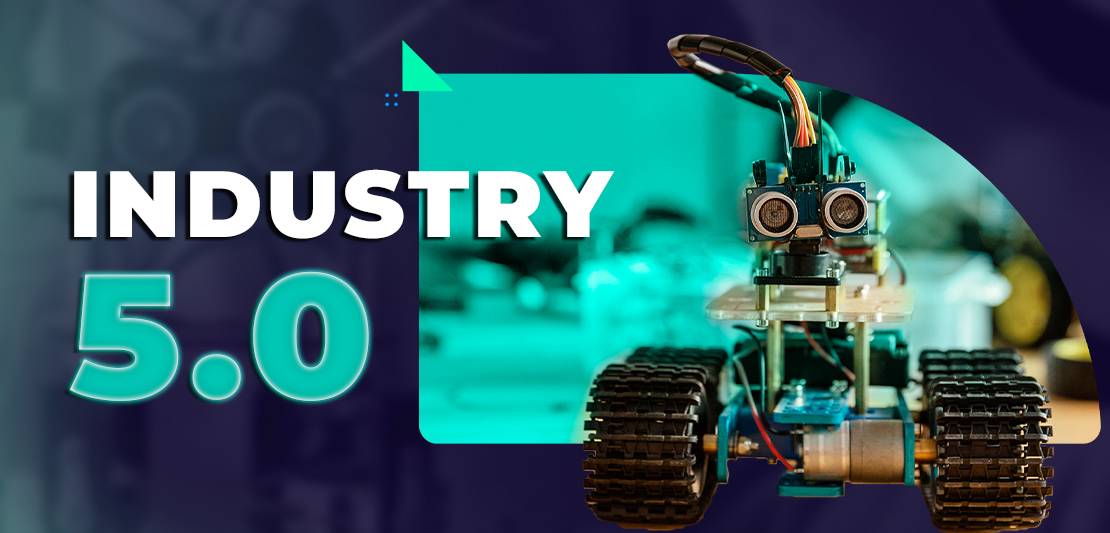
The dawn of Industry 5.0 marks a pivotal juncture in the manufacturing landscape, where technological evolution and human ingenuity converge to redefine production paradigms. Building upon the foundation laid by Industry 4.0, this new era signifies a harmonious collaboration between humans and cutting-edge technologies. Industry 5.0 emphasizes human-machine interaction, customization, and sustainability—ushering in an era where precision and creativity coexist.
As manufacturing transitions from Industry 4.0 to this transformative phase, the sector experiences a profound shift in processes and possibilities. The journey from automation to collaboration highlights the vital role of technology in shaping a greener, more efficient, and innovative manufacturing future.
Industry 5.0: A Paradigm Shift in Manufacturing
The advent of Industry 5.0 represents a transformative shift in manufacturing, where the fusion of advanced technologies and human creativity drives a new era of production. At its core lies a human-centered approach that emphasizes collaboration between humans and machines—leveraging the strengths of both.
Customization, flexibility, and innovation are the driving forces behind Industry 5.0. This paradigm empowers manufacturers to deliver personalized products while maintaining operational efficiency. Beyond productivity, Industry 5.0 places strong emphasis on sustainability, ethics, and decentralized decision-making.
Challenges in Manufacturing and the Need for Industry 5.0
Traditional manufacturing systems face numerous challenges that highlight the necessity for a paradigm shift.
- Conventional manufacturing methods often suffer from inefficiencies, limited agility, and poor adaptability. Outdated practices struggle to meet modern demands, resulting in extended production timelines and compromised quality.
- As customization and sustainability become essential, manufacturers face the challenge of balancing personalized production with optimal resource utilization. The growing demand for eco-conscious manufacturing exposes the limitations of traditional approaches.
- Industry 5.0 emerges as a transformative solution—combining artificial intelligence, automation, and human creativity. It enables decentralized decision-making, sustainable practices, and personalized production, paving the way for a resilient and customer-centric manufacturing future.
Key Transformations Brought by Industry 5.0
Human–Machine Collaboration
Human–machine collaboration lies at the heart of Industry 5.0. Unlike previous industrial revolutions that focused on replacing human labor, this new paradigm fosters partnership. Machines handle repetitive tasks and precision work, while humans contribute creativity, critical thinking, and complex problem-solving—driving innovation and adaptability.
Customization and Flexibility
Customization and flexibility define Industry 5.0’s manufacturing approach. Advanced technologies enable manufacturers to tailor products to individual customer needs while rapidly adapting production lines to market changes. This responsiveness enhances customer satisfaction and strengthens brand loyalty.
Sustainability and Ethical Manufacturing
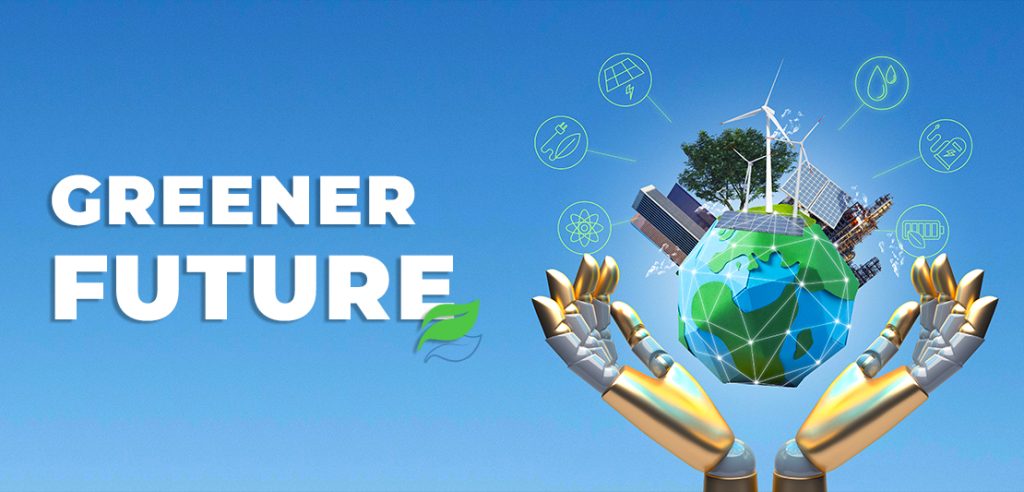
Sustainability and ethical manufacturing represent a crucial shift in industrial practices. Industry 5.0 promotes eco-friendly materials, optimized energy use, and reduced emissions, while also ensuring fair labor practices, supply-chain transparency, and community engagement.
Decentralized Production and Innovation
Decentralized production reshapes manufacturing by distributing production units across regions. This approach reduces transportation costs, lowers environmental impact, and strengthens supply-chain resilience. It also stimulates regional economies and job creation.
By bringing together diverse talent and perspectives, decentralized production fosters innovation and creative problem-solving. This collaborative ecosystem drives continuous improvement and results in products that resonate with a global consumer base—marking a new era of sustainable and innovative manufacturing.